By Blake O'Shaughnessy
If your energy bills feel like they've taken on a life of their own, you're not alone. The good news is that making your home more energy efficient doesn't require a complete overhaul. It requires the right combination of targeted upgrades, smarter habits, and a clear understanding of where your home is losing energy in the first place.
Energy efficiency is one of the highest-return investments a homeowner can make. Beyond the immediate savings on monthly utilities, efficiency upgrades increase the comfort of your home year-round, reduce your environmental impact, and can meaningfully boost resale value when the time comes to sell. Buyers today are paying close attention to energy costs and green features; a well-upgraded home stands out in any market.
Whether you're starting from scratch or building on changes you've already made, this guide will walk you through the most effective strategies for making your house more energy efficient — from the low-cost fixes you can tackle this weekend to the more extensive investments worth planning for.
Key Takeaways
- Air sealing and insulation are often the most impactful first steps in reducing energy loss.
- Upgrading to a programmable or smart thermostat can cut down on heating and cooling costs significantly.
- Water heating is one of the most notable energy expenses in a home; efficient alternatives pay off.
- Windows, doors, and ventilation play a more central role in energy performance than most homeowners realize.
Start With an Energy Audit
Before spending money on upgrades, you need to know where your home is losing energy. An energy audit gives you a detailed picture of how your home performs and which systems are working harder than they should. You can hire a certified energy auditor for a professional assessment or request a home energy audit through your utility company, which typically offers them at low or no cost.
During a professional audit, the technician will assess various features and components, including using a blower door test to measure air leakage, thermal imaging to identify insulation gaps, and airflow analysis to assess your HVAC system. The findings tell you precisely where to focus your energy and budget. For many homeowners, the audit reveals a short list of fixes that deliver the majority of the savings.
Even if you're not ready for a full-scale audit, a DIY walkthrough can identify obvious issues. Check around window frames, door thresholds, electrical outlets on exterior walls, and the areas where pipes enter the home. Drafts that you can feel by hand are costing you money every month.
Where to Start Your Assessment
- Check insulation levels; many older homes fall well below the recommended R-value for their climate zone.
- Assess windows and exterior doors for drafts.
- Inspect your HVAC system's age and service history; older units running past their expected lifespan consume far more energy than modern replacements.
- Look for gaps around recessed lighting, plumbing, and ductwork in unconditioned spaces.
- Review 12 months of utility bills to identify spikes that may signal inefficiency.
Seal the Envelope and Improve Insulation
The building envelope refers to the physical barrier between your conditioned interior and the outside world: your walls, roof, foundation, windows, and doors. When this envelope has gaps, cracks, or inadequate insulation, your HVAC system has to compensate constantly, burning through energy and money to maintain a comfortable temperature.
Air sealing is the process of closing those gaps, and it is often one of the least expensive and most impactful upgrades you can focus on. Weatherstripping around doors, caulk around window frames, and foam sealant around penetrations in the attic floor can collectively reduce your heating and cooling load. These are weekend projects that cost little and deliver returns almost immediately.
Insulation works in tandem with air sealing. If your attic lacks adequate insulation, heat escapes freely in winter and bakes down into your living space in summer. Adding blown-in insulation to an under-insulated attic is a modest investment with a strong payback. Crawl spaces and basement rim joists are other areas where insulation upgrades often go overlooked but make a real difference.
High-Impact Sealing and Insulation Upgrades
- Add weatherstripping to all exterior doors to stop conditioned air from leaking at the threshold and sides.
- Caulk gaps around window frames, baseboards on exterior walls, and penetrations where pipes or wires enter the home.
- Seal attic bypasses — gaps around ceiling fixtures, chimneys, and HVAC ducts — before adding insulation on top.
- Insulate the crawl space or basement walls if those areas are part of your conditioned footprint.
Upgrade Heating and Cooling Systems
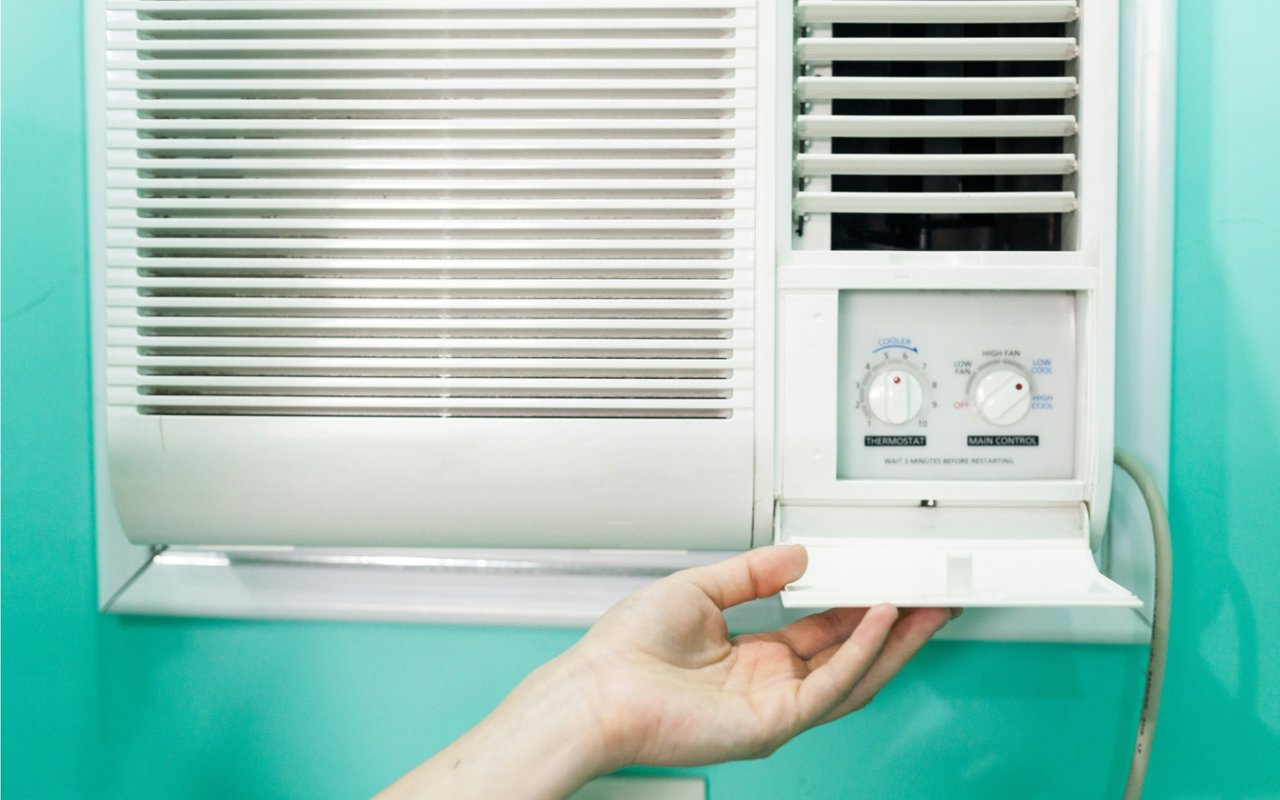
Your HVAC system is one of the highest-leverage areas for efficiency improvements. If your furnace, air conditioner, or heat pump is more than 15 years old, it's likely operating well below the efficiency of modern equipment, and the cost of replacement often pays for itself in energy savings over time.
A programmable or smart thermostat is one of the most accessible upgrades a homeowner can make. These devices allow you to set temperature schedules that match your actual routine, automatically scaling back when you're away or asleep. Smart thermostats adapt to your preferences over time and can be adjusted remotely, making it easy to avoid heating or cooling an empty house.
Heating and Cooling Efficiency Checklist
- Replace HVAC filters every 1 to 3 months; a clogged filter forces the system to work harder and increases energy use.
- Schedule annual professional maintenance for your heating and cooling equipment to ensure it runs at peak efficiency.
- Upgrade to a smart thermostat and configure schedules that reflect your routine.
- Consider a heat pump if your home uses electric resistance heat, oil, or propane; the efficiency gains are often substantial.
- Have the ductwork inspected and sealed if your home uses a forced-air system.
Address Windows, Water Heating, and Lighting
Single-pane windows or older double-pane units with failed seals allow significant heat transfer in both directions. Replacing them with ENERGY STAR-rated double or triple-pane windows reduces that loss and improves comfort noticeably, particularly in rooms that face extreme sun exposure or prevailing winds. If full replacement isn't in the budget, window film and properly fitted cellular shades offer meaningful improvements at a lower cost.
Water heating is one of the largest energy expenses in most homes, yet it often receives less attention than heating and cooling. Switching to a heat pump water heater or an on-demand tankless model can cut water heating costs significantly.
Lighting is a smaller but still meaningful piece of the puzzle. If your home still has incandescent bulbs in regular use, switching to LED replacements across the board is one of the simplest and fastest-payback upgrades available.
Quick Wins Worth Doing This Month
- Replace all incandescent bulbs with LED equivalents, prioritizing fixtures that are used most frequently.
- Install low-flow showerheads and faucet aerators to reduce hot water demand without sacrificing pressure.
- Add cellular shades or insulating window treatments to windows that experience significant heat gain or loss.
- Use power strips with timers or smart plugs to eliminate standby power draw from electronics and appliances.
FAQs
What Is the First Step To Making a Home More Energy Efficient?
The best starting point is a home energy audit. An audit identifies exactly where your home is losing energy, so you can prioritize upgrades that will deliver the greatest return. Many utility companies offer free or subsidized audits; you can also hire a certified energy auditor for a more comprehensive assessment.
How Do I Know If My Home Is Well-Insulated?
Check your attic first: you should be able to see insulation covering the floor joists. If you can see the joists clearly, the insulation is likely insufficient. Drafts near outlets, windows, and doors are another signal that the building envelope has gaps worth addressing.
Does Energy Efficiency Add to a Home's Resale Value?
Research consistently shows that energy-efficient homes sell for more and spend less time on the market. Buyers are increasingly aware of operating costs, and features like solar panels, efficient HVAC systems, and well-insulated envelopes are viewed as concrete financial benefits, not just environmental ones.
Get Started Today
Energy efficiency isn't a single project with a finish line; it's a series of decisions that compound over time. Every upgrade you make reduces what you owe each month, improves the comfort of your home, and positions the property more favorably in the market. The key is knowing where to start and then building momentum from there.
If you're hoping to find the perfect energy-efficient home in Denver or curious about how efficiency improvements might affect your home's value or marketability, reach out to me,
Blake O'Shaughnessy, for the guidance you need.